
Posterior Tibial Tendonitis and Orthotics: Why Arch Support Can Relieve Pain
Posterior Tibial Tendonitis and Orthotics: Why Arch Support Can Relieve Pain
Have you been diagnosed with posterior tibial tendonitis or posterior tibial tendon dysfunction (PTTD)? If so, you may be wondering why your healthcare provider recommended an orthotic.
The answer is actually quite simple.
An appropriately designed orthotic can reduce stress on the injured tendon, improve foot mechanics, and often make walking much more comfortable.
Let’s look at why.
What Is the Posterior Tibial Tendon?
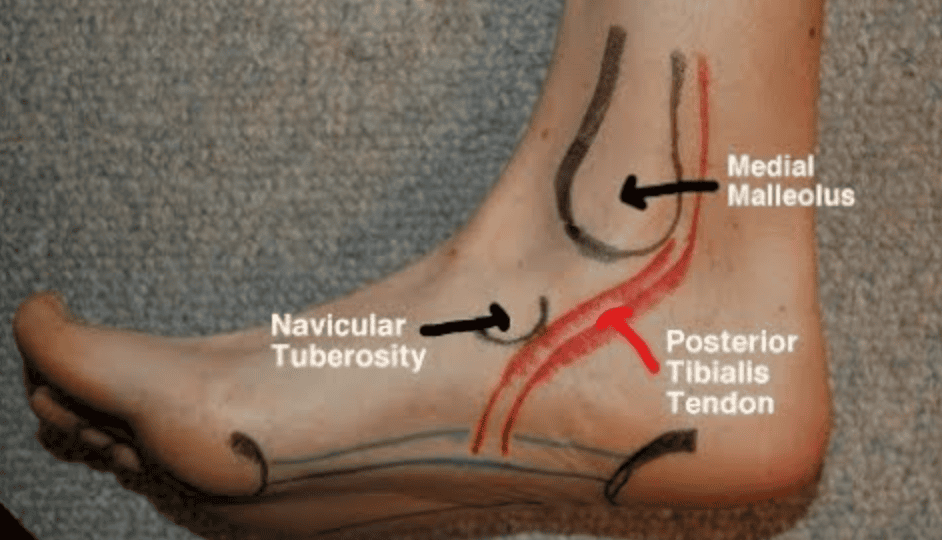
The posterior tibialis muscle begins in the back of your lower leg.
As it travels downward, it becomes the posterior tibial tendon, which wraps around the inside of the ankle before attaching primarily to the navicular bone. From there, the tendon sends fibers across the underside of the foot.
Its primary jobs are to:
- Support the arch of the foot
- Help point the foot downward
- Help turn the foot inward (inversion)
- Stabilize the foot during walking
Think of the tendon like a strong support cable holding up your arch.
Why Does Posterior Tibial Tendonitis Develop?
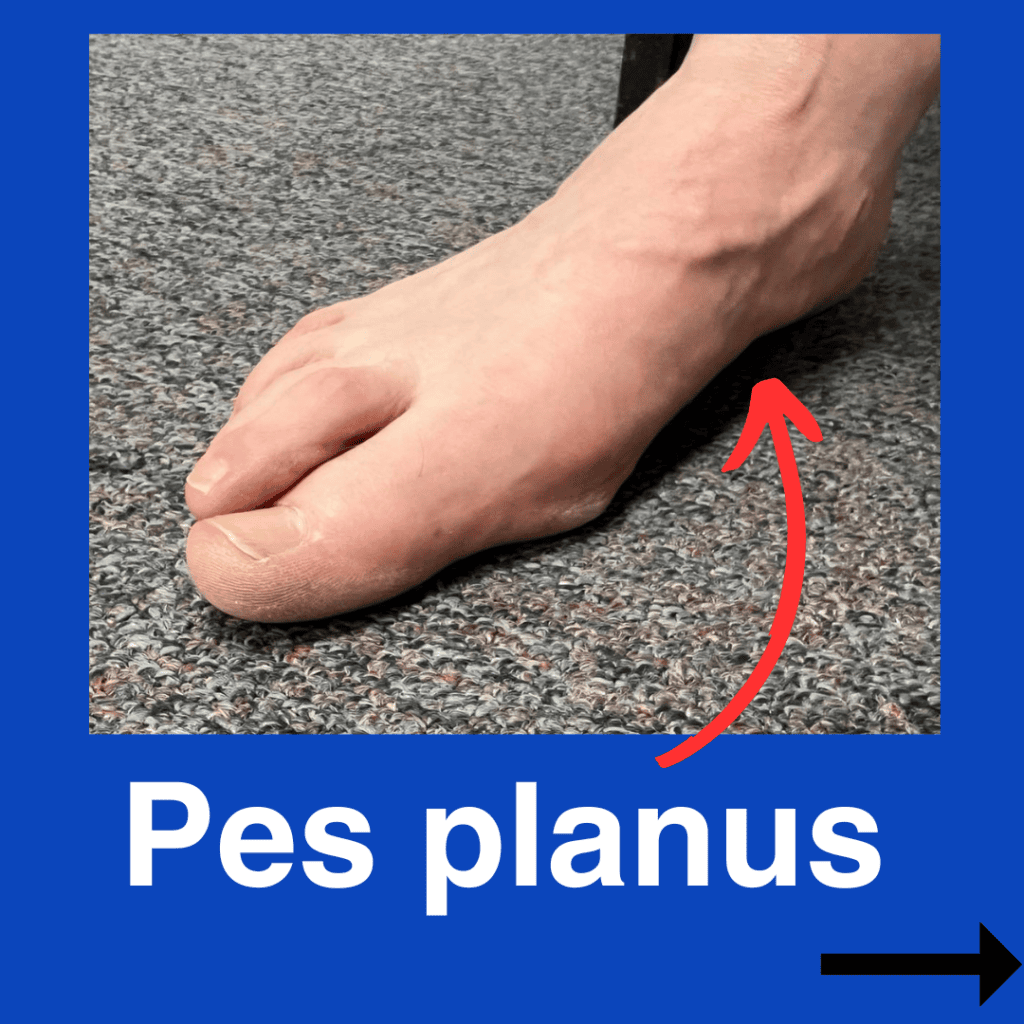
Problems begin when the arch collapses excessively during standing or walking.
When someone has:
- Flat feet
- Excessive pronation
- An unstable foot
the posterior tibial tendon has to work much harder to keep the arch from collapsing.
Over time this increased workload can lead to:
- Tendon irritation
- Tendinitis
- Tendinopathy
- Partial tearing
- Progressive weakness
Pain is commonly felt:
- Along the inside of the ankle
- At the navicular attachment
- Under the arch of the foot
Interestingly, pain beneath the arch is sometimes mistaken for plantar fasciitis, even though the real source may be the posterior tibial tendon.
How Can an Orthotic Help?
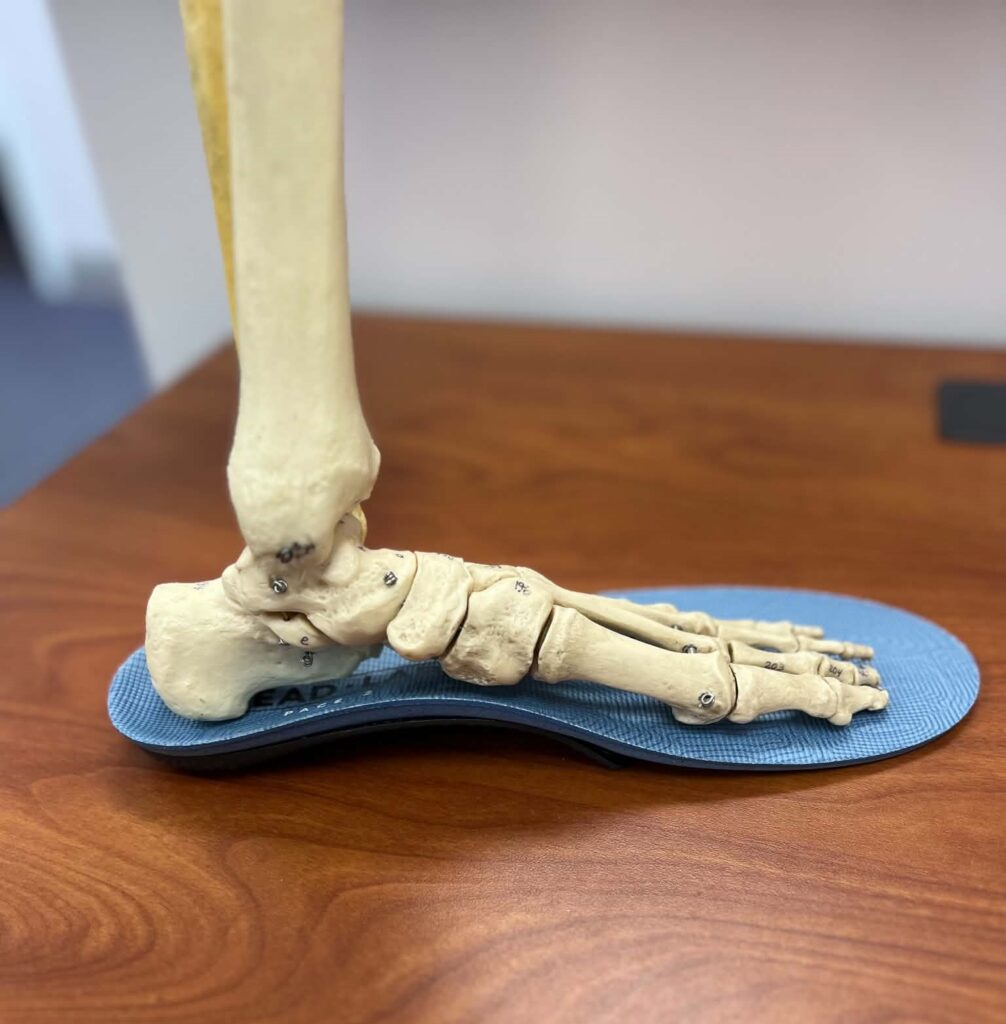
An orthotic is designed to support the inside of the foot and reduce excessive arch collapse.
When the arch is better supported:
- The foot remains in a more stable position.
- The posterior tibial tendon doesn’t have to work as hard.
- Stress on the irritated tendon decreases.
- Walking often becomes less painful.
Instead of the tendon constantly trying to “hold the arch up,” the orthotic provides some of that support.
This allows the tendon an opportunity to calm down while you continue with strengthening exercises and other treatments.
Strengthening Is Still Important
Although orthotics can be extremely helpful, they should not replace exercise.
A comprehensive treatment program usually includes:
- Posterior tibialis strengthening (How-to video)👉👉https://youtu.be/MIRYOo1YLUs
- Foot intrinsic muscle exercises (How-to video)👉👉https://youtu.be/b4yfxD55ImM
- Calf stretching when appropriate (https://youtu.be/4nMNp9bkJCg)
- Balance training
- Gradual return to activity
Orthotics work best when combined with a well-designed rehabilitation program.
A Simple Way to Know If an Orthotic Might Help
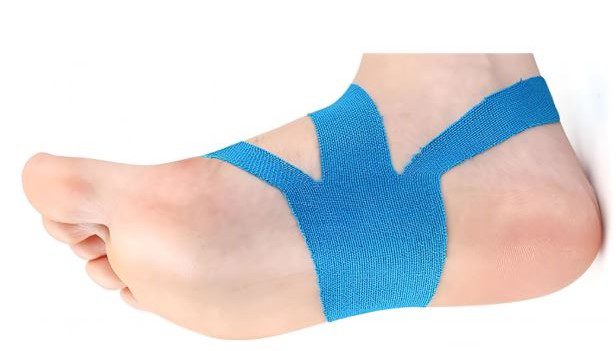
Here’s a practical tip.
If you’ve ever taped your arch and noticed that your pain improved, there’s a good chance an orthotic may also help.
Unlike athletic tape, an orthotic:
- Goes directly into your shoe
- Provides support throughout the day
- Doesn’t require daily taping
- Can be used with most walking shoes
For many patients, this makes orthotics a much more convenient long-term solution.
Final Thoughts
Posterior tibial tendonitis develops because the tendon is often overloaded while trying to support a collapsing arch.
A properly fitted orthotic helps by supporting the foot, reducing strain on the tendon, and allowing healing to occur while you strengthen the muscles that support the foot.
If you’re experiencing pain along the inside of your ankle or under your arch, make sure you receive an accurate diagnosis, as these symptoms can sometimes be confused with plantar fasciitis.
Watch the Video
Watch the complete demonstration on the Ortho Eval Pal YouTube channel where I explain exactly how orthotics reduce stress on the posterior tibial tendon and when they may be appropriate.
👇👇👇👇👇👇👇👇👇👇👇👇👇
(https://youtu.be/TPfnnXf9VR8)
About the Author
Paul Marquis, PT has more than 34 years of experience evaluating and treating orthopedic conditions. Through Ortho Eval Pal, he helps patients and healthcare professionals better understand musculoskeletal injuries using evidence-based education. For more information go to: https://orthoevalpal.com/