

5 Common Signs and Symptoms of Knee Arthritis: How to Know If Your Knee Pain Is Arthritis
If you’ve been dealing with knee pain that seems to be getting worse over time, you may be wondering if arthritis is the cause. Knee arthritis is one of the most common reasons people develop chronic knee pain, especially as they get older.
The good news is that recognizing the early signs of knee arthritis can help you seek treatment sooner, stay active longer, and potentially delay the progression of symptoms.
As a physical therapist with more than 30 years of orthopedic experience, I’ve evaluated thousands of patients with knee arthritis. While every person is different, there are several common findings that appear over and over again.
Let’s look at the five most common signs. Here is a full video explanation 👇👇👇
Bowing of the Legs (Varus Alignment)
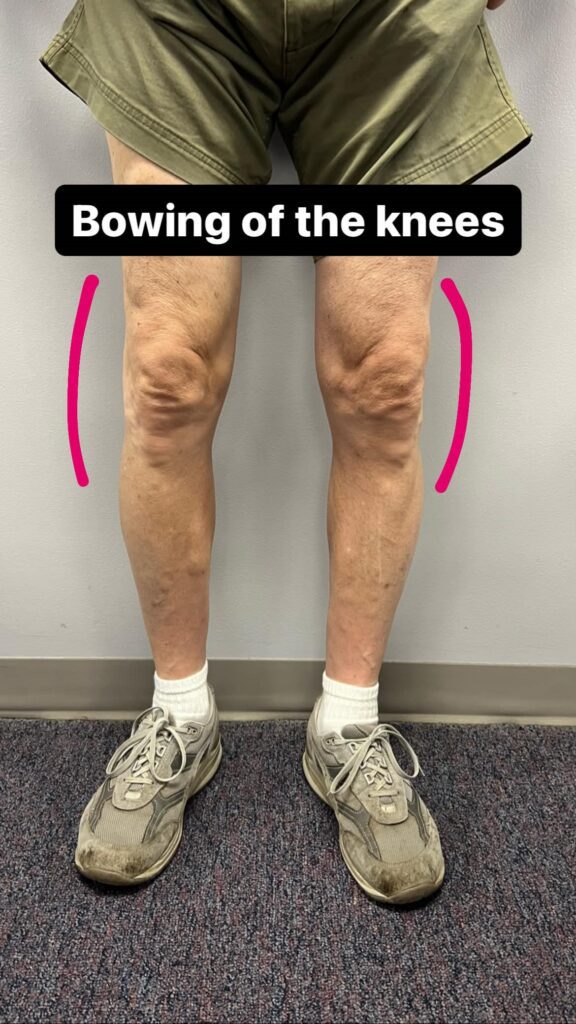
One of the first things I look for when someone stands is the alignment of their legs.
Many people with knee arthritis develop a bow-legged appearance, known medically as varus deformity. This occurs because the inside (medial) portion of the knee joint typically wears down first.
As the cartilage deteriorates:
- The inside of the knee loses joint space.
- More weight is placed on the damaged area.
- The knees gradually bow outward.
Although arthritis can occasionally affect the outside of the knee and create a “knock-kneed” position (valgus deformity), medial compartment arthritis is by far the most common pattern.
Swelling and a Thickened Kneecap
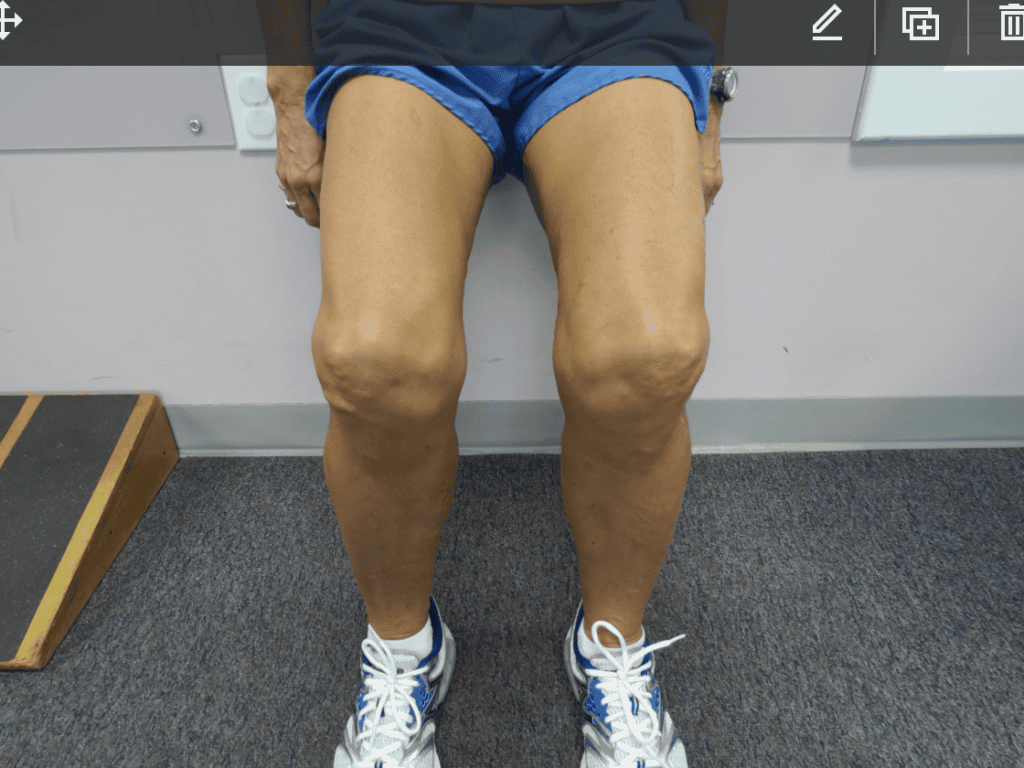
Another common finding is a loss of the normal shape and definition around the kneecap.
Instead of seeing a well-defined patella, many arthritic knees appear:
- Puffy
- Swollen
- Wider than normal
This occurs for two reasons:
- Inflammation causes excess joint fluid (an effusion).
- Bone spurs (osteophytes) develop around the kneecap and joint margins.
Over time, these changes make the knee appear thicker and less defined.
Loss of Knee Motion
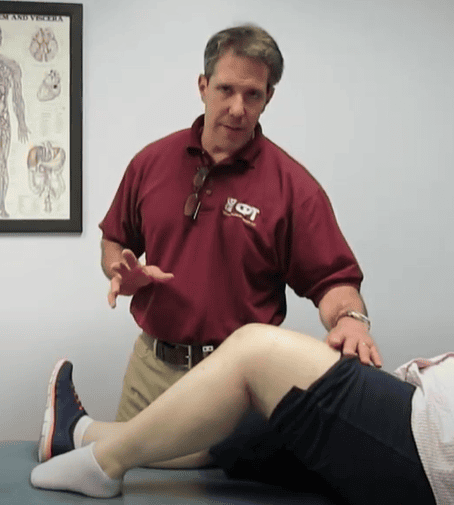
Healthy knees should fully straighten and bend comfortably.
People with knee arthritis often notice that they:
- Cannot completely straighten the knee.
- Have difficulty bending it all the way.
- Feel stiffness after sitting.
- Experience pain at the end ranges of motion.
Even a small loss of knee extension can significantly affect walking, balance, stair climbing, and overall function.
Many patients describe the knee as feeling “tight” or as if it simply won’t move any farther.
Pain Along the Inside of the Knee
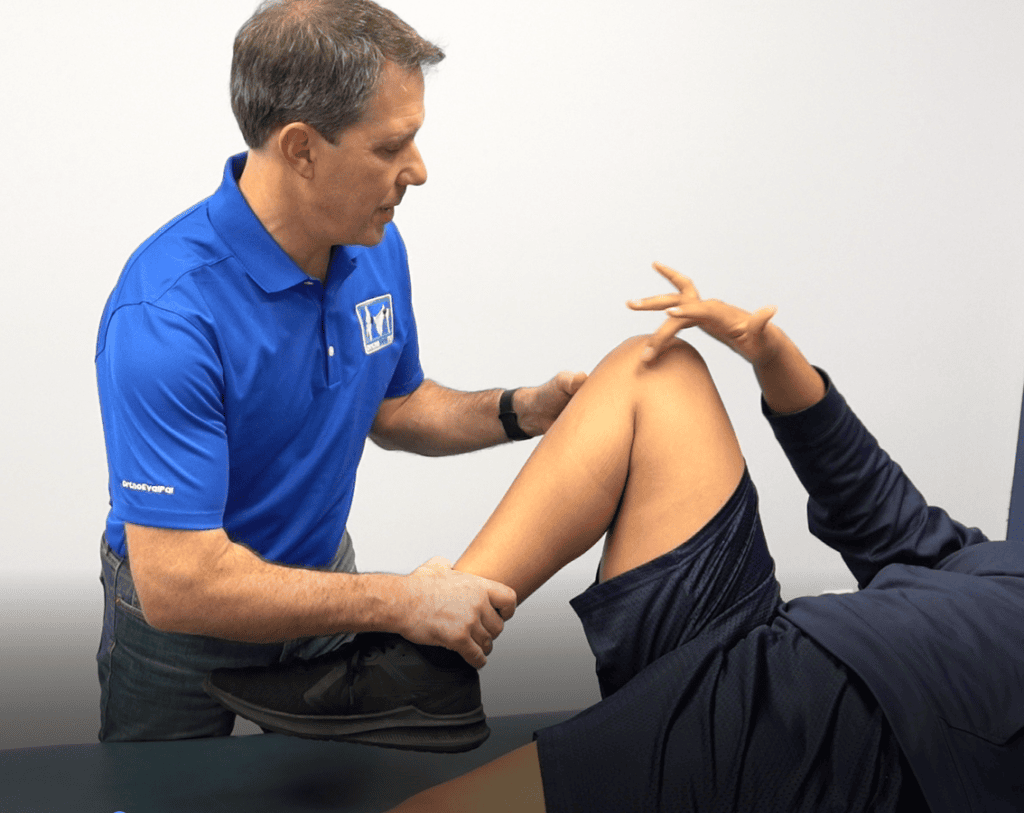
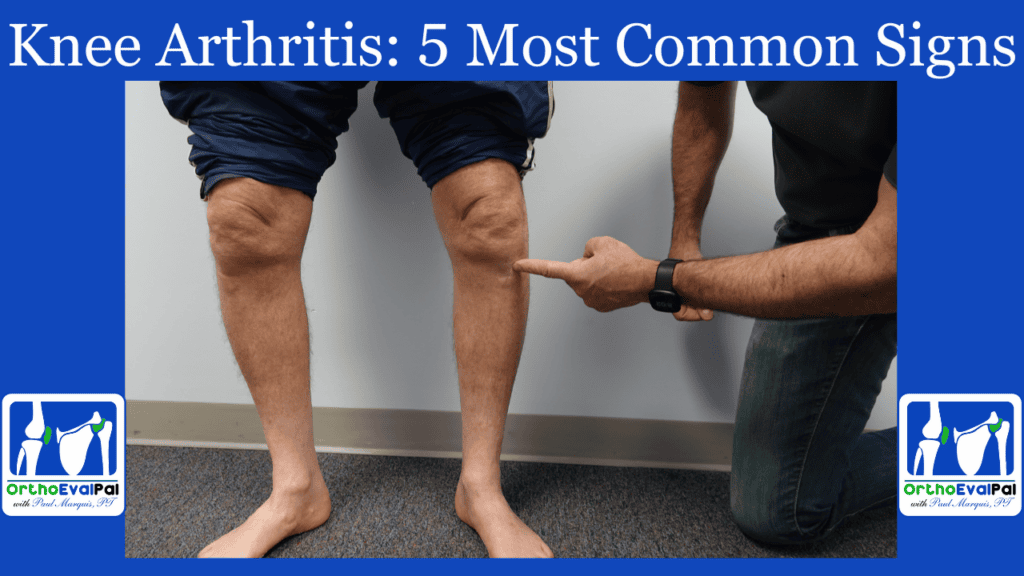
One of the classic examination findings is medial joint line tenderness.
When pressure is applied along the inside of the knee where the femur and tibia meet, patients often experience localized pain.
This tenderness usually corresponds to cartilage wear within the medial compartment of the knee and is one of the most common areas of discomfort in knee osteoarthritis.
If your pain is consistently located along the inside of your knee, arthritis is one possible cause that should be evaluated by a healthcare provider.
Progressive Pain During Everyday Activities
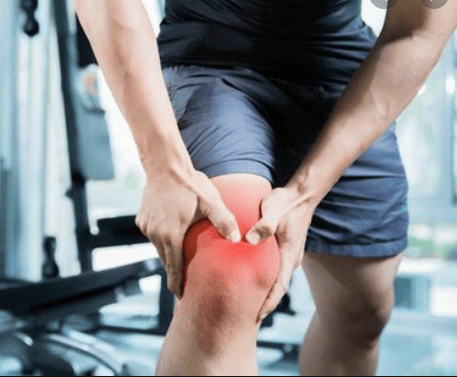
Knee arthritis usually develops gradually.
Patients commonly report that pain increases during activities such as:
- Walking
- Climbing stairs
- Standing from a chair
- Squatting
- Getting in and out of a vehicle
- Prolonged standing
As the condition progresses, some people begin experiencing stiffness first thing in the morning or after sitting for extended periods.
Eventually, even routine daily activities can become uncomfortable.
Can Physical Therapy Help Knee Arthritis? Here is a video with exercises for your arthritic knee👇👇👇
Absolutely.
While arthritis cannot be reversed, physical therapy can often reduce pain and improve function by:
- Strengthening the muscles around the knee
- Improving flexibility
- Restoring range of motion
- Improving balance
- Teaching proper movement mechanics
- Reducing stress on the arthritic joint
Many people are surprised by how much stronger legs can decrease knee pain and improve walking ability.
The earlier treatment begins, the better the opportunity to maintain mobility and avoid further loss of function.
When Should You See a Healthcare Provider?
If you notice several of these symptoms—especially persistent pain, swelling, loss of motion, or bowing of the legs—it’s a good idea to schedule an evaluation.
Early diagnosis allows you to begin treatment before the arthritis becomes more advanced.
Your healthcare provider may recommend:
- Physical therapy
- Exercise modifications
- Weight management
- Activity changes
- Medications
- Imaging, such as X-rays when appropriate
Final Thoughts
Knee arthritis is incredibly common, but recognizing the signs early can make a significant difference in your long-term mobility and quality of life.
The five most common signs include:
- Bowing of the legs
- Swelling and thickening around the kneecap
- Loss of knee motion
- Tenderness along the inside of the knee
- Progressive pain with daily activities
If these symptoms sound familiar, don’t ignore them. An evaluation by a qualified healthcare provider can help determine whether arthritis is the cause and what treatment options are best for you.
Early intervention often leads to better outcomes and helps keep you doing the activities you enjoy.